
Financial markets are inherently unpredictable, with sudden swings often catching even seasoned investors off guard. While volatility can present opportunities, it also carries significant risks, especially for those seeking to preserve capital during uncertain periods.
One options strategy that has gained attention among traders for its unique risk management approach is the Jade Lizard. Combining multiple positions into a single, well-structured trade, this strategy aims to limit losses while providing the profit potential even when markets fluctuate unexpectedly.
Understanding the Basics of the Jade Lizard
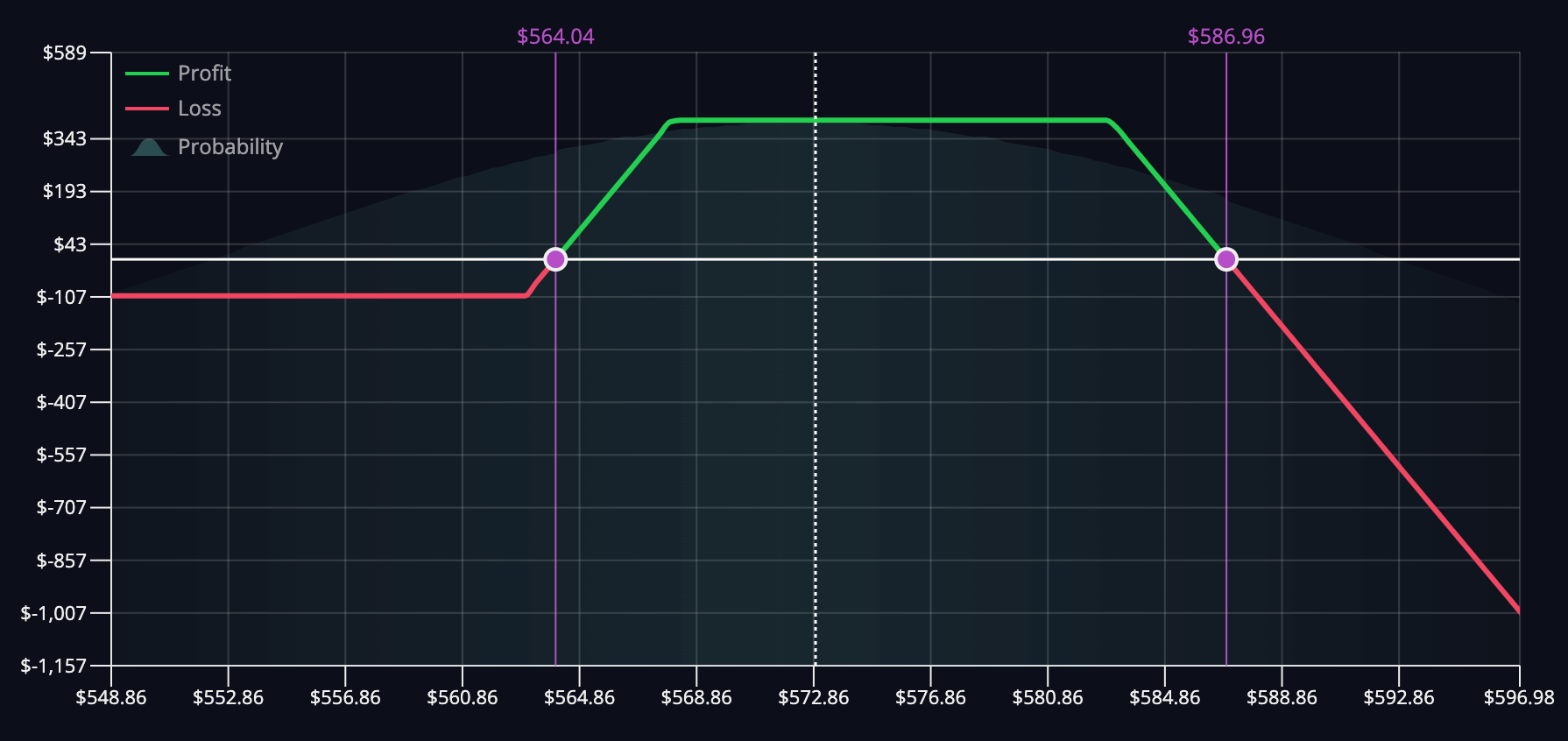
The Jade Lizard is an advanced options strategy that blends the benefits of a short call spread with a short put. This combination allows traders to generate a net credit upfront while defining the maximum risk on the upside. Unlike traditional strategies that may expose traders to unlimited losses if the market surges, the Jade Lizard caps risk on one side while maintaining attractive potential rewards.
At its core, the strategy involves three components: selling an out-of-the-money put, selling an out-of-the-money call, and buying a further out-of-the-money call. The first two positions collect premiums from buyers willing to assume certain risks, while the long call serves as insurance against sharp upward moves in the underlying asset. This setup creates a “cushion” against volatility, making the strategy appealing during uncertain market conditions.
When and Why Traders Use It
Traders often turn to the Jade Lizard during periods of moderate volatility when they expect the underlying asset to stay within a certain range. The strategy is not designed for extreme directional bets; instead, it thrives in a controlled environment where market movement is anticipated but not entirely predictable.
A key factor driving its popularity is the ability to profit from sideways or slightly bullish markets. By collecting premiums on both the put and the call, traders can generate income even if the underlying asset remains relatively stable. This makes it a versatile tool for portfolio managers seeking to enhance yield without taking on unbounded risk.
Risk management is another reason traders favour this approach. Volatile markets can erode portfolio value quickly, especially for investors heavily weighted in equities or commodities. The Jade Lizard allows traders to define and control potential losses while still benefiting from favourable price movement. By knowing the maximum risk upfront, traders can allocate capital more confidently and avoid panic-driven decisions during sudden market swings.
Structuring a Jade Lizard Trade
Executing a Jade Lizard requires careful planning and attention to detail. The first step involves identifying the strike prices for the options. The sold put should be placed at a level where the trader feels comfortable assuming potential losses, while the short call should be set close enough to collect a meaningful premium without capping gains too aggressively. The long call, meanwhile, should be far enough out of the money to keep the cost low while offering protection against large upward movements.
Timing is also crucial. Traders typically implement this strategy with options that have moderate time until expiration. Short-term options may generate income quickly but carry greater gamma risk, while longer-term options reduce time decay sensitivity but require a larger upfront credit. Balancing these factors is essential to optimising the strategy’s performance.
It is important to monitor the trade regularly. Volatility shifts, changes in market sentiment, or sudden news events can alter the risk profile of the position. Traders may choose to adjust strikes, roll positions forward, or close trades early to protect gains or limit losses. Discipline and vigilance are vital, as the success of the Jade Lizard hinges on managing both potential upside and downside exposures effectively.
Practical Benefits for Volatile Markets
One of the most compelling reasons to consider the Jade Lizard in a portfolio is its ability to navigate uncertain market conditions without resorting to overly conservative positions. Investors can continue participating in markets while mitigating some of the risks associated with unpredictable swings.
The strategy’s design inherently encourages thoughtful decision-making. Rather than reacting impulsively to market noise, traders must define risk parameters, select appropriate strikes, and understand potential outcomes. This structured approach can prevent emotional decision-making that often amplifies losses during volatile periods.
For those interested in a deeper understanding of how this strategy functions, the Jade Lizard guide provides a comprehensive breakdown, including step-by-step execution and real-world examples. Exploring these resources can help traders gain the confidence needed to apply the strategy effectively and responsibly.
Conclusion
The Jade Lizard strategy offers a sophisticated approach to managing risk in volatile markets. By combining short calls, short puts, and long calls, traders can create a position that limits losses while capturing potential profit opportunities. Its asymmetric risk profile and potential for premium income make it an appealing tool for investors navigating uncertainty.
Understanding and implementing the strategy requires careful planning, attention to strike selection, and disciplined monitoring. When used thoughtfully, the Jade Lizard can act as a buffer against market swings, allowing traders to participate in opportunities without taking on excessive risk. In an environment where volatility is often unavoidable, having a well-structured strategy like the Jade Lizard can enhance portfolio resilience and provide peace of mind to disciplined investors.
About the Author